YEARS
OF HISTORY
BEFORE MEMS
In the early 1980s, survival after serious injury in the United States lagged behind what soldiers experienced on the battlefield.
That reality wasn’t questioned; it was accepted.
Emergency medical care simply wasn’t a priority. As a result, outcomes suffered.
Here in central Arkansas, the system reflected that same reality. Two private ambulance services covered the Little Rock area, but competition had overtaken care. Decisions were driven by revenue, not patient outcomes.
At one point, a crew was fired for calling a helicopter for a critically injured patient, not because it was the wrong call, but because it took business away from the ambulance service.
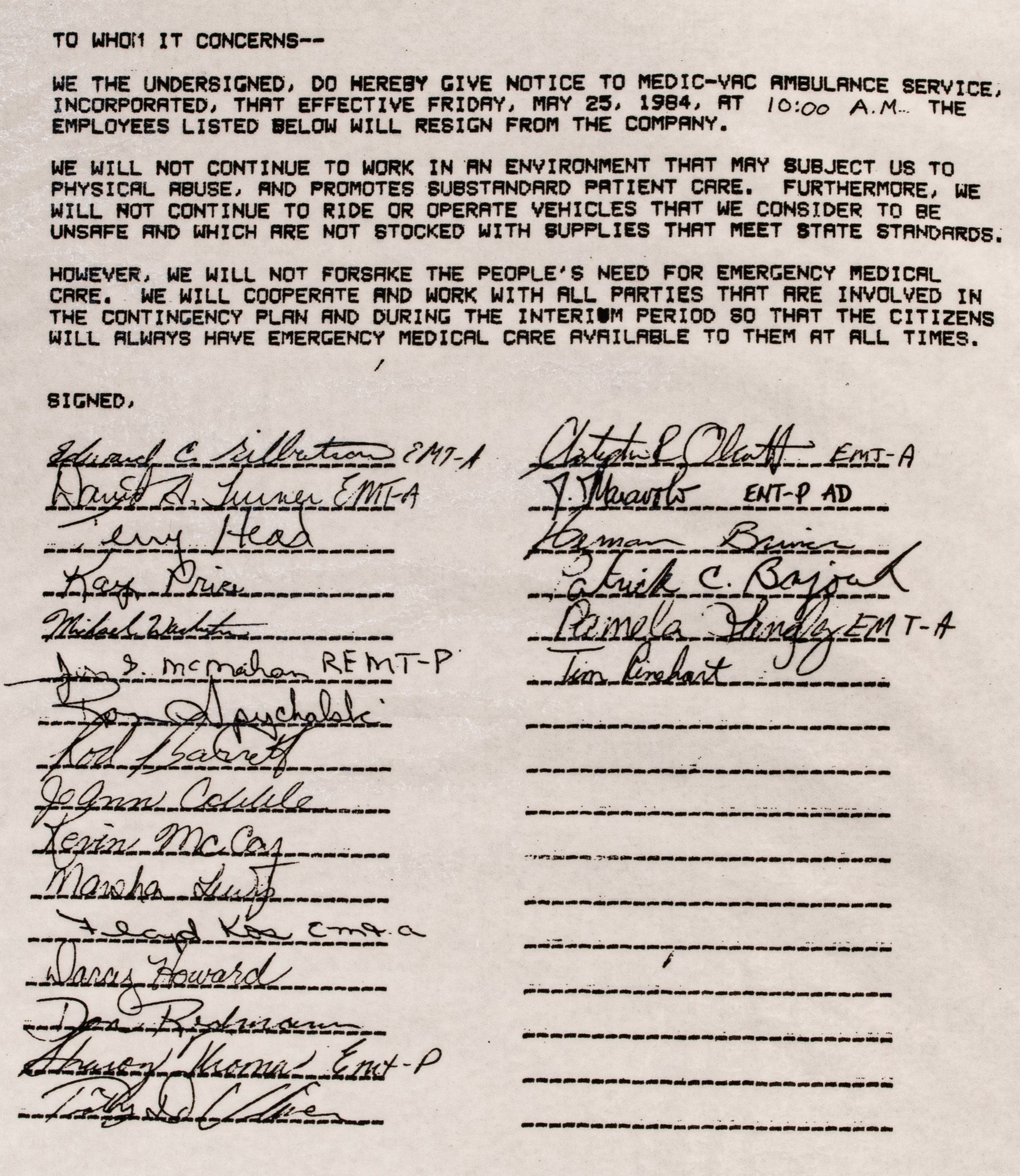
By Memorial Day weekend of 1984, enough was enough. EMTs and paramedics went to the city with a simple message: We will work for free before we continue to work like this.
We will not continue to work in an environment that may subject us to physical abuse and promotes substandard patient care.
THE TURNING POINT
That moment changed everything. MEMS was created as a public utility built around a mission, not a margin.
From day one, the focus was clear:
- Deliver the highest level of care possible
- Follow best practices, not business pressures
- Support and train the people providing that care
This wasn’t just a new ambulance service. It was a new model.

A DIFFRENT KIND OF SYSTEM
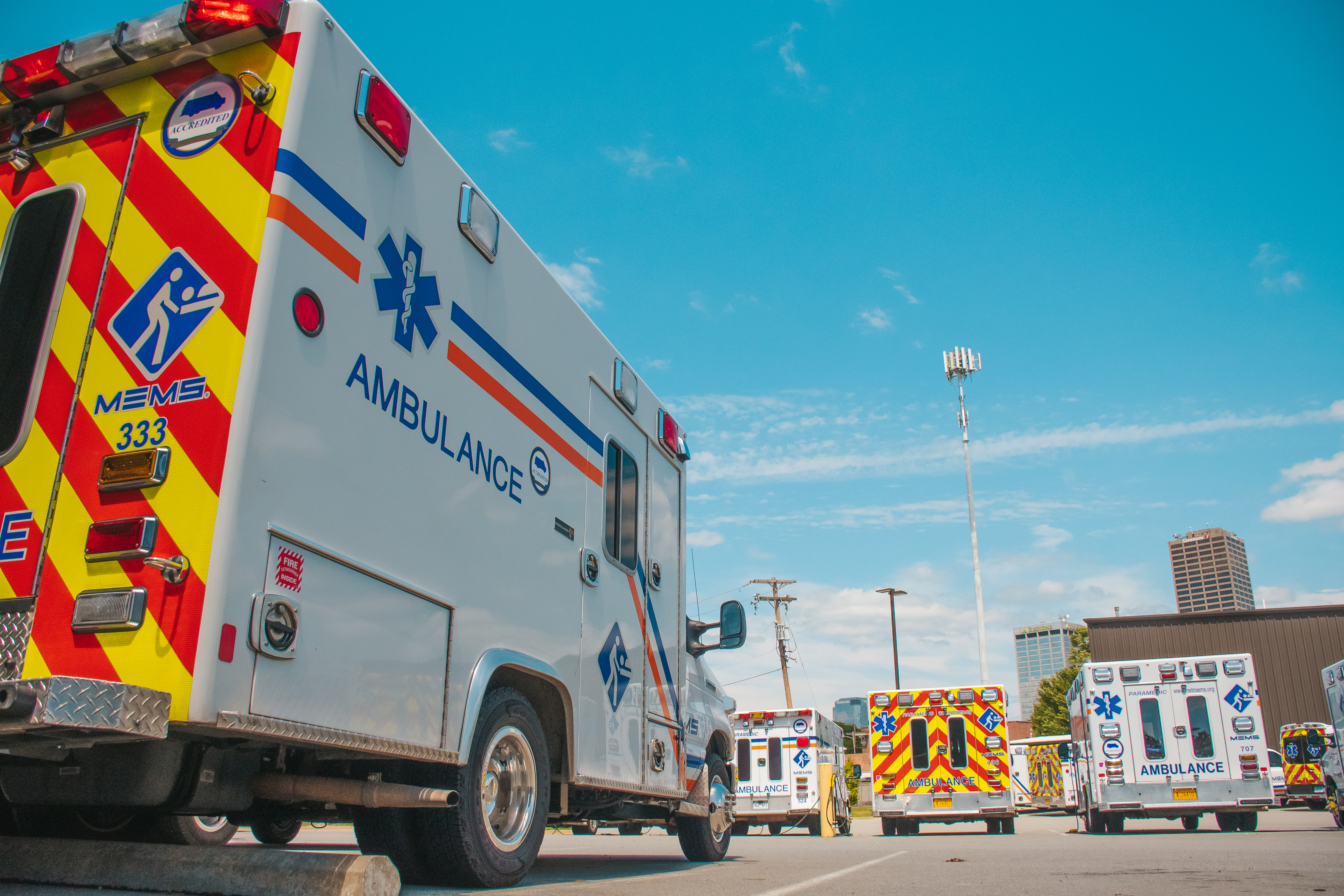
Because of that foundation, MEMS didn’t just keep up with the industry, it helped shape it.
Programs and services that are now standard across EMS started here or were adopted early, including:
- Emergency Medical Dispatch (EMD), giving callers lifesaving instructions before crews arrive
- Tactical medics embedded with law enforcement
- An in-house EMT and paramedic program where students are paid while they train and earn college credit
- Specialized response teams, including Swift Water Rescue, Medical HazMat, and Disaster Communications
- Peer support and mental health programs for providers
- Advanced, outcome-driven protocols in cardiac arrest and critical care
What began as a response to a broken system became a model for what EMS could be.








BILLING QUESTIONS
MEMS is committed to providing quick and accurate responses to your inquiries about your billing statement or any other questions that you might have regarding your bill. Please contact our billing office, Monday to Friday, from 8am to 5pm at 501.301.1403.WHAT IS HIPAA?
HIPAA (Health Insurance Portability and Accountability Act of 1996) is United States legislation that provides data privacy and security provisions for safeguarding medical information.LEARN MORE